The Enduring Importance of Art Education in Contemporary Society
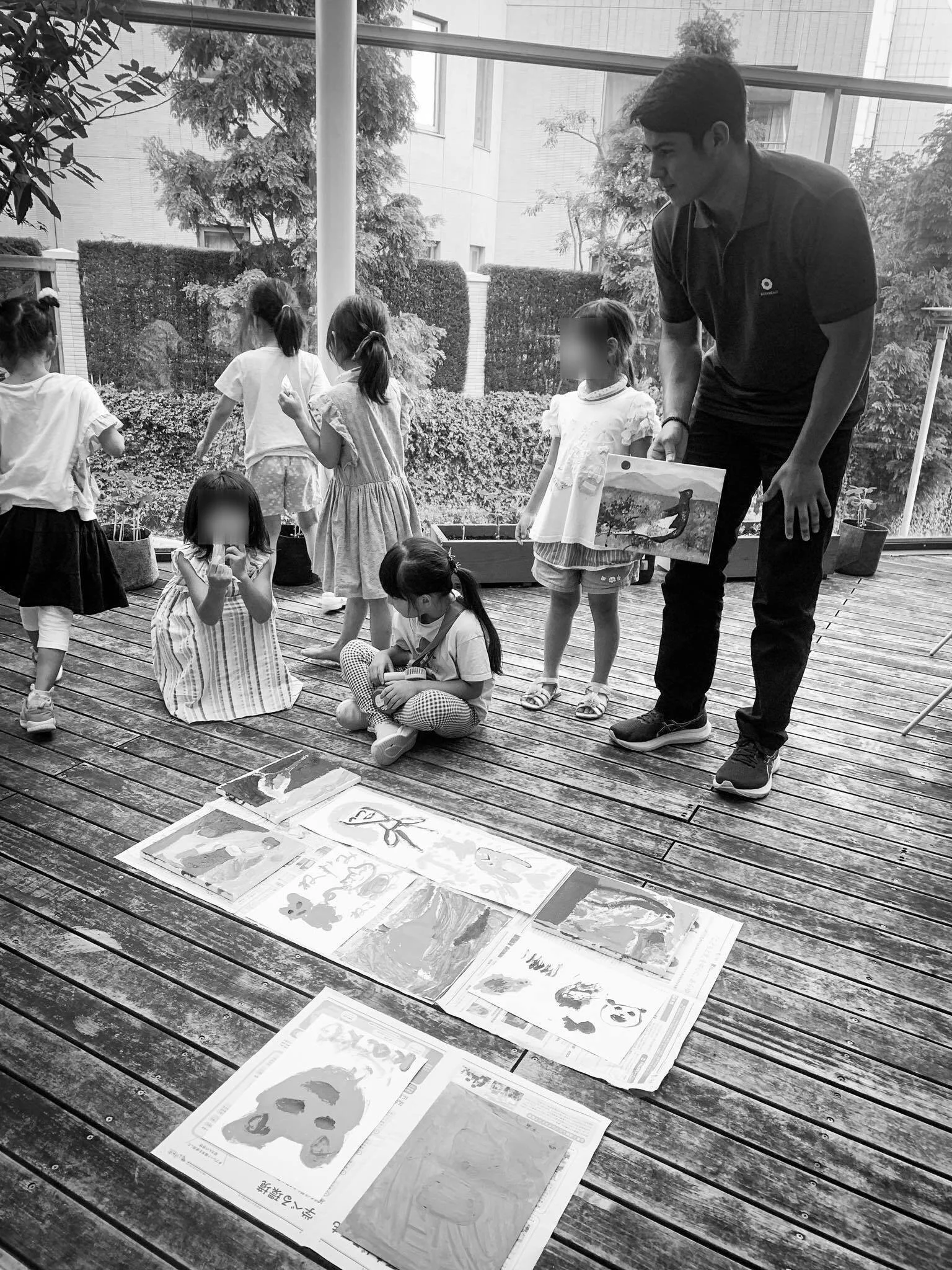
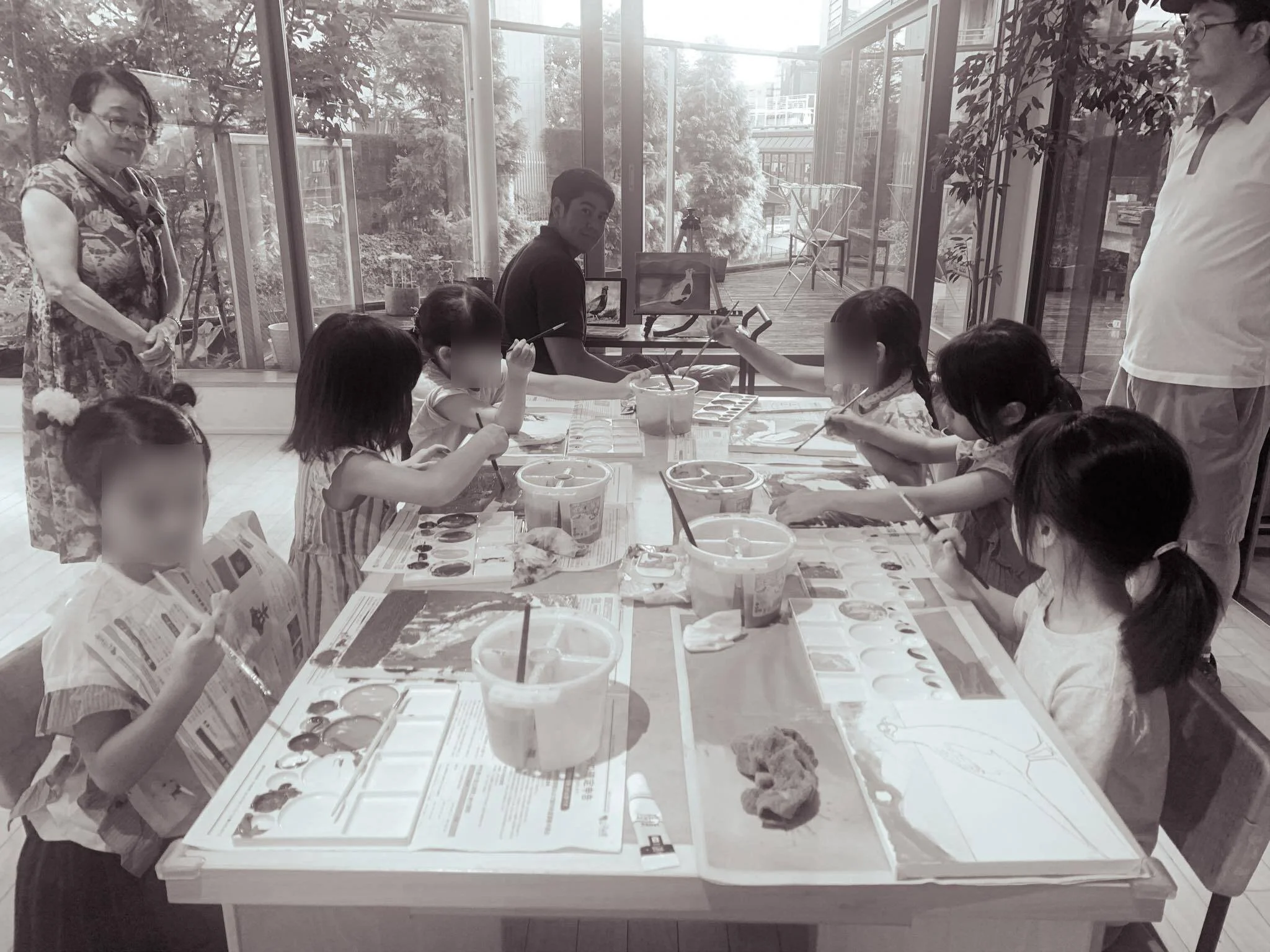
Photographs from painting workshops in Tokyo, Japan. Teaching young artists reaffirmed my belief that art extends beyond creating beautiful objects. It fosters confidence, curiosity, and a lifelong habit of observation.
In conversations about the future of education, much of the focus is understandably on technology. Artificial intelligence is advancing rapidly, automating tasks that once required years of training and expertise. It can generate images, compose essays, analyze data, and provide answers within seconds. As these technologies become more integrated into our lives, many people question the role of the arts: if machines can create, what value remains in teaching art?
I contend that this question misinterprets the fundamental purpose of art education. The objective of art education extends beyond instructing students in the creation of aesthetically pleasing objects. Its primary value resides in cultivating specific cognitive habits. Art encourages students to observe attentively, recognize overlooked details, tolerate ambiguity, and derive meaning from experience. These capacities are inherently human and are increasingly vital in a context where information is plentiful but genuine understanding remains limited.
One idea that has resonated with me throughout my studies in education is that learning is not passive absorption of information but active construction of knowledge. Students learn by making connections, asking questions, testing ideas, and reflecting on their experiences. Art naturally cultivates this process. A student standing before a blank sheet of paper is not simply learning how to draw; they are making decisions, solving problems, revising assumptions, and developing a personal understanding of the world around them. In this sense, art education is not separate from learning, but is learning in one of its most visible forms.
Art also teaches a form of observation that is increasingly rare. We live in a culture of speed. Images are consumed in seconds, attention is fragmented, and efficiency is often prioritized over reflection. Yet meaningful learning requires us to slow down. To draw an object accurately, a student must look closely. To paint a landscape, they must notice subtle relationships of color, light, and form. To study a work of art, they must consider context, intention, and interpretation. These acts of careful observation develop attentiveness, a quality that extends far beyond the studio into every aspect of life.

Another reason art education matters is that it helps students understand how human beings create meaning. We often think of art as confined to museums and galleries, but its influence extends into nearly every aspect of daily experience. Artistic movements have shaped architecture, furniture, fashion, typography, product design, and even the cities we inhabit. The study of art history reveals how ideas travel across generations and how creative expression shapes culture. When students learn about these movements, they begin to understand that creativity is not merely decorative, but is one of the forces that shape society.
Perhaps most importantly, art provides a space for students to develop their own voices. Some of the most meaningful moments I have experienced as an educator had little to do with technical skill. Instead, they occurred when students realized their perspectives mattered. Through drawing, painting, and creative exploration, they gained confidence in their ability to communicate ideas, emotions, and experiences uniquely their own. In a world increasingly filled with generated content, the ability to express an authentic human perspective may become one of the most valuable skills we possess.
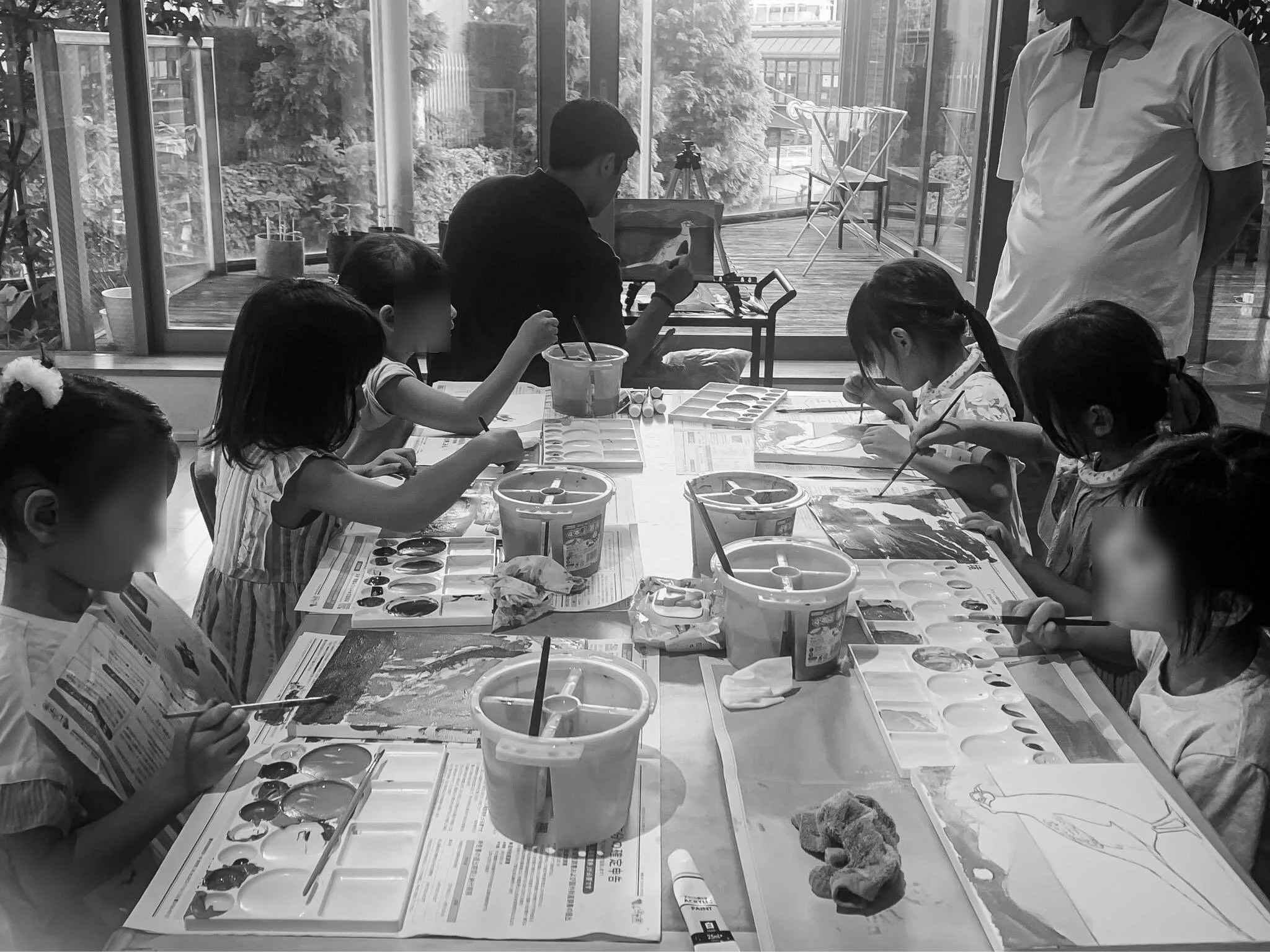
The painting workshops I taught in Tokyo recently reminded me of this truth. The greatest outcomes were not the paintings themselves but the curiosity, confidence, and sense of discovery that emerged during the process. Students learned to look more carefully, ask better questions, and trust their observations. These qualities will serve them long after the paint has dried.
As technology continues to transform society, I maintain that the importance of the arts will not diminish; rather, it will increase. This is not due to competition with technology, but because the arts foster qualities fundamental to humanity, such as curiosity, imagination, empathy, reflection, and the capacity to derive meaning from experience. Art education is not solely concerned with producing artists. It is about teaching individuals to perceive the world more deeply.