
How to Practice Slow Looking Through Drawing
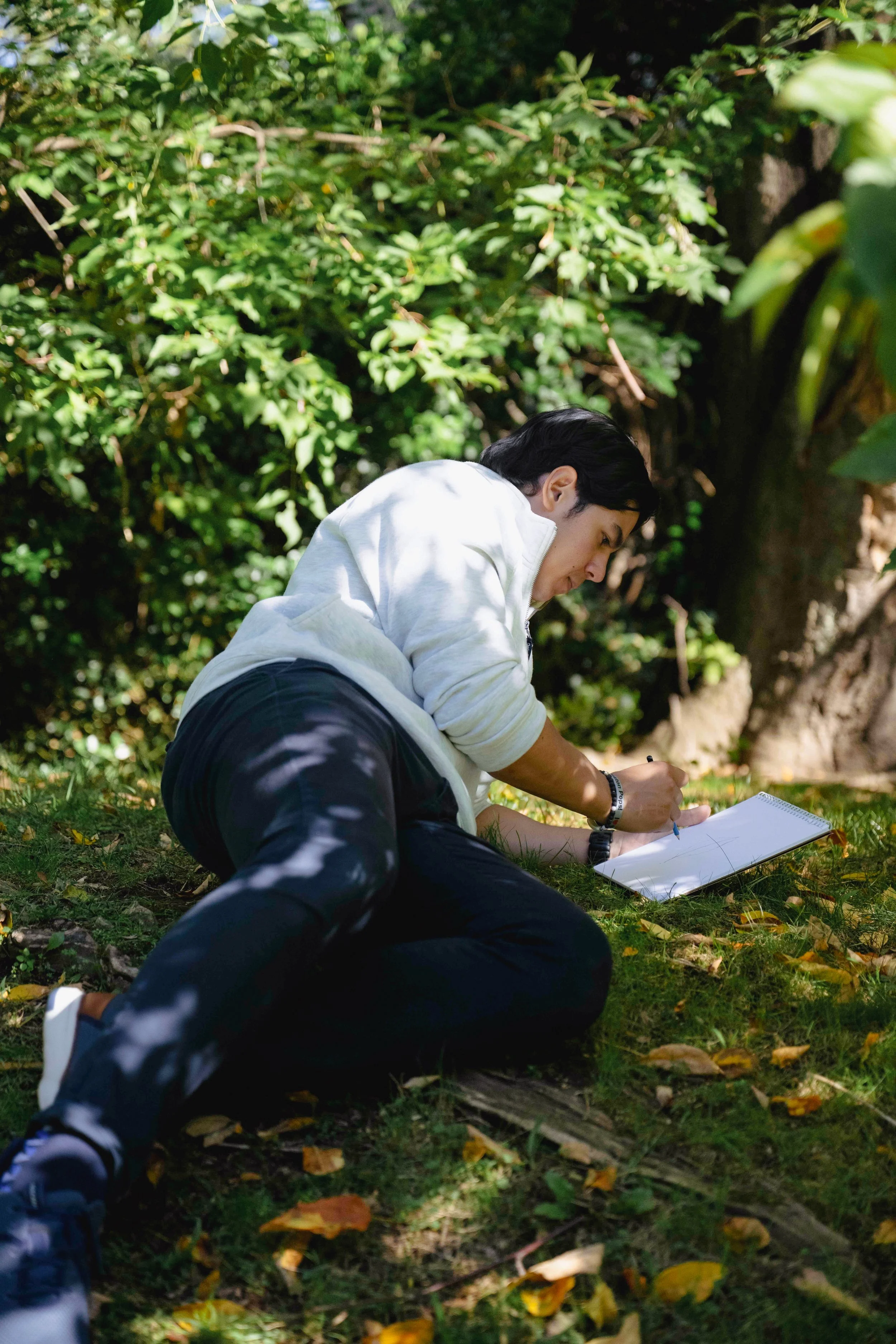
Painting often reminds me how little I notice. I might think I know the shape of a leaf or the color of a bird, but when I start drawing, that certainty fades. The edges are more irregular than I imagined. There are colors in the shadows I hadn’t considered. Something familiar becomes interesting again because I have given it more time.
There is a particular pleasure in this discovery. Much of my work begins with nature, and observation gradually changes my relationship with what I paint. A tree becomes more familiar as I follow the direction of its branches. I begin to recognize what makes it different from the trees around it. Even when a painting moves into imagination, those details give me a place to begin.
As a painter studying education, I’ve become curious about how we can make room for this kind of attention in learning. Drawing offers a simple way to explore it. You have a subject in front of you and a page to work through what you see. Each mark involves a small decision: where an edge begins, how far a shadow reaches, which detail deserves another look. You can start making these decisions long before you feel confident drawing.
If you would like to try, choose something ordinary like a leaf, a piece of fruit, or a plant near your window, and spend a minute looking before picking up your pencil. Notice where the light falls and where the shape surprises you. Then begin with what catches your eye. Give yourself ten minutes, returning your gaze to the subject often. You don't need to finish the whole drawing. One small part may hold your attention longer than you expected.
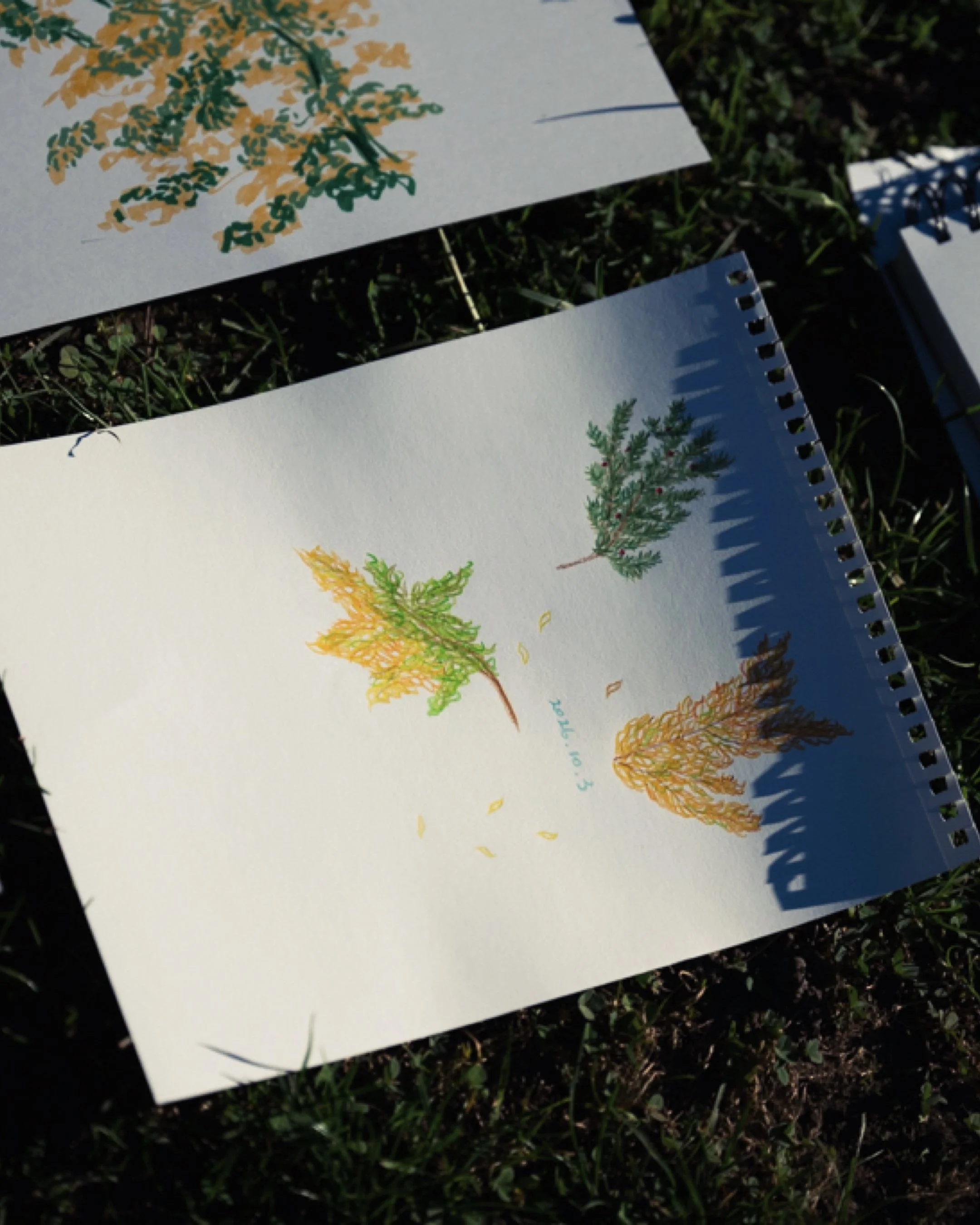
You may find yourself frustrated when the drawing doesn’t resemble what is in front of you. I know that feeling well. Sometimes it helps to pause over the part that seems wrong and look again. For example, you may have assumed an edge was straight or made two shapes equal when they were slightly different. These are useful discoveries. They show where expectation has entered the drawing and give you something specific to reconsider.
When you finish, write a few sentences beside your sketch about what you noticed. Did you miss a detail at first? Did something become more difficult or more interesting as you studied it? If you draw with someone else, compare what caught your attention. From there, I find it fascinating that people can sit in the same place and leave with such different records of it. Those differences make me want to understand how another person sees.
I am still learning to be patient with this process. Some days I rush or become too concerned with how a painting should turn out. Even so, observation keeps bringing me back to something I can work with a shape, a color, a relationship I haven’t quite understood. That is often enough to keep me looking.
The next time you have a few quiet minutes, try drawing something you usually pass without much thought. Leave the sketch unfinished if you need to. Then you may find yourself looking for that same object the following day, curious about a detail you hadn’t noticed before.
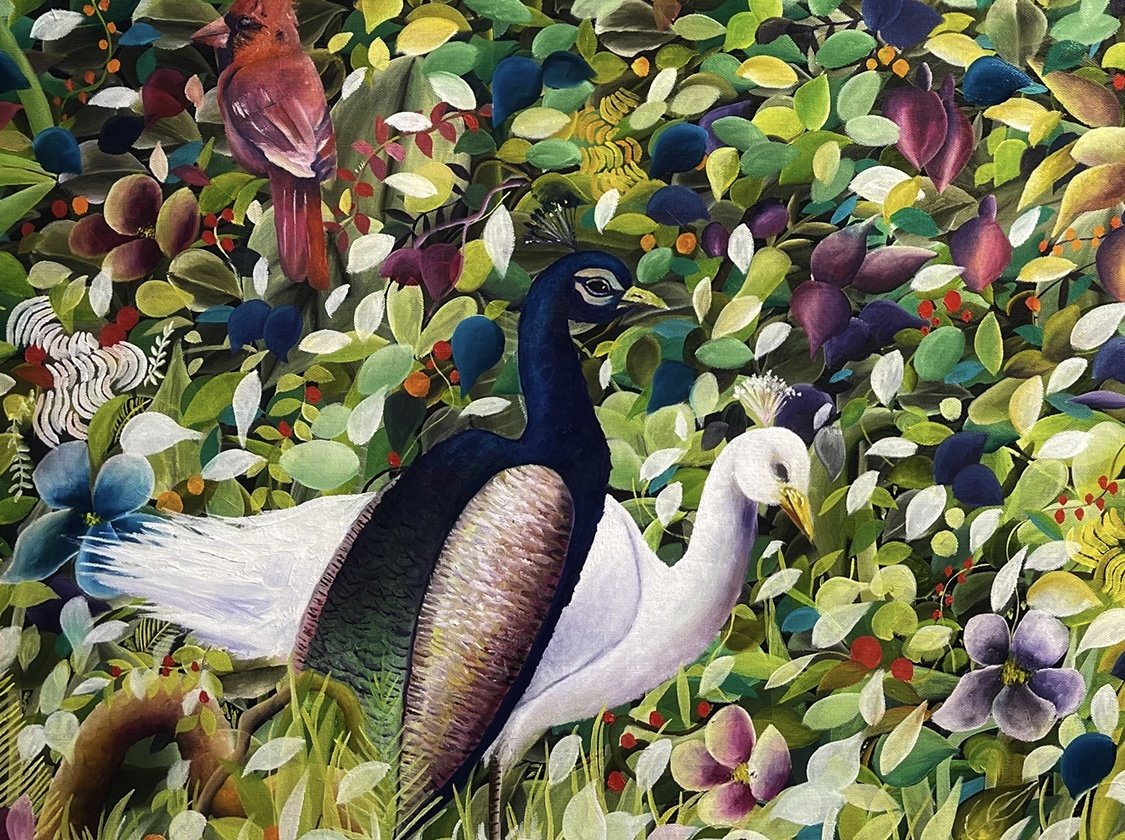
Oil painting by Kareem Moumina (2021)